In 2026, the question is no longer how intelligent automation systems are.
It’s whether their
energy infrastructure allows that intelligence to translate into uninterrupted execution.
Global investment in automation continues to accelerate. AI is optimizing decisions, orchestration layers are evolving, and robotics adoption is scaling across warehouse, manufacturing, and fulfillment environments.
Yet one constraint remains largely unchanged.
Energy is still treated as a limitation.
At CaPow, we see it differently.
Energy is not a constraint to optimize around.
It is an infrastructure layer that defines performance.
What Are the Latest Innovations in Energy?
Energy innovation is no longer just about generation or storage.
It is about
delivery, continuity, and integration into real-time operations.
Three key shifts are shaping the market:
1. From Storage to Flow
Traditional systems rely on batteries and scheduled charging cycles. This creates:
- Operational interruptions
- Idle robots and idle workflows
- Overprovisioned fleets
A new paradigm is emerging:
energy as continuous flow.
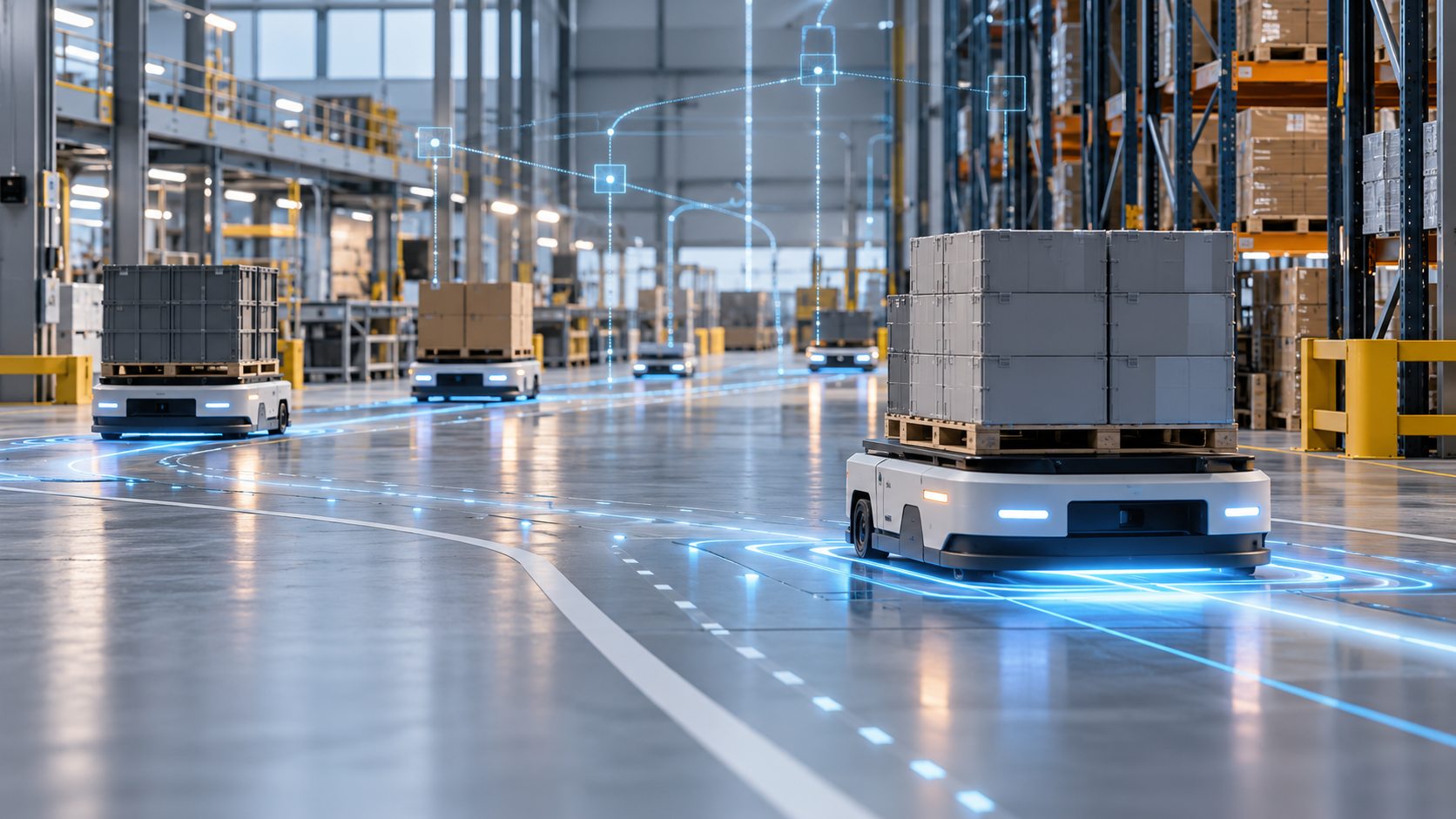
Instead of stopping to charge, systems are designed to
receive power during operation, removing energy as a scheduling constraint.
2. From Hardware to System-Level Thinking
Energy is no longer a standalone component.
It is becoming part of a broader system that includes:
- Robotics
- Software orchestration
- Real-time decision-making
The implication is significant:
energy design now impacts throughput, not just uptime.
3. From Efficiency Metrics to Operational Impact
Traditional energy discussions focus on:
- Efficiency percentages
- Battery life
- Charging speed
But leading operators are asking different questions:
- How much downtime is energy causing?
- How much floor space is dedicated to charging?
- How many extra robots are required to compensate?
This shift reframes energy from a technical metric to a
business performance driver.
How Are Companies Approaching Sustainable Energy Solutions?
Sustainability in 2026 is no longer about reporting.
It is about
operational design choices.
Reducing Overcapacity
Many facilities operate with
20% more robots than required, simply to compensate for charging downtime.
Reducing that dependency:
- Lowers capital expenditure
- Reduces energy waste
- Improves system efficiency
Eliminating Non-Productive Energy Use
Charging infrastructure consumes:
- Valuable floor space
- Idle energy cycles
- Additional cooling and safety overhead
Reallocating that energy toward productive work increases overall efficiency without increasing consumption.
Designing for Continuous Operation
Sustainability is increasingly tied to
flow efficiency.
When robots remain in motion:
This leads to:
- Lower energy per task
- Reduced system friction
- Higher output per installed asset
Why Energy Is the Missing Layer in Automation
Most discussions around automation focus on software and robotics.
But there is a fundamental gap:
AI can optimize decisions.
It cannot eliminate physical downtime.
This is where energy becomes critical.
When energy is intermittent:
- Systems must pause
- Orchestration becomes reactive
- Efficiency gains plateau
When energy is continuous:
- Systems operate predictably
- Orchestration becomes proactive
- Throughput increases without added complexity
This is the foundation of CaPow’s approach.
The Future of Energy: What Will Change in the Next Five Years?
Looking ahead, three structural changes are expected across industrial environments:
1. Energy Becomes Invisible
Just like connectivity today, energy will no longer be something operators manage actively.
It will be:
- Embedded into infrastructure
- Available where and when needed
- Decoupled from operational planning
2. Uptime Becomes a Baseline, Not a KPI
Today, uptime is measured.
In the future, it will be assumed.
The conversation will shift from:
- “How much downtime do we have?”
to
- “Why do we have any at all?”
3. Growth Without Expansion
Organizations will increasingly focus on:
achieving higher throughput without increasing footprint or fleet size.
This will require:
- Better orchestration
- Continuous energy delivery
- Elimination of systemic inefficiencies
5 Steps to Boost Energy Efficiency in Automated Operations
For operators looking to improve performance today, the opportunity is immediate.
1. Identify Energy-Induced Downtime
Map where robots leave productive workflows for charging.
2. Quantify Hidden Costs
Measure:
- Idle time
- Floor space used for chargers
- Fleet overcapacity
3. Optimize Before Expanding
Improve flow and utilization before adding more robots.
4. Rethink Energy as Infrastructure
Evaluate solutions that integrate energy into operations rather than interrupt them.
5. Align Energy with Orchestration
Ensure energy availability supports real-time decision-making, not constrains it.
What This Means for Operations Leaders
The next wave of performance gains will not come from adding more technology.
They will come from
removing friction between systems.
Energy is one of the last major sources of that friction.
Organizations that address it will:
- Increase throughput without expansion
- Reduce operational complexity
- Unlock new levels of efficiency
Those that don’t will continue optimizing around a constraint that no longer needs to exist.
Conclusion: A Shift in Perspective
The industry is not lacking innovation.
It is constrained by how that innovation is applied.
Energy has historically been treated as a background function.
In 2026, it is becoming a
strategic layer of automation.
At CaPow, our mission is clear:
Enable mobile robots to receive power while they operate – eliminating charging downtime and redefining what uptime means.
Frequently Asked Questions (FAQ)