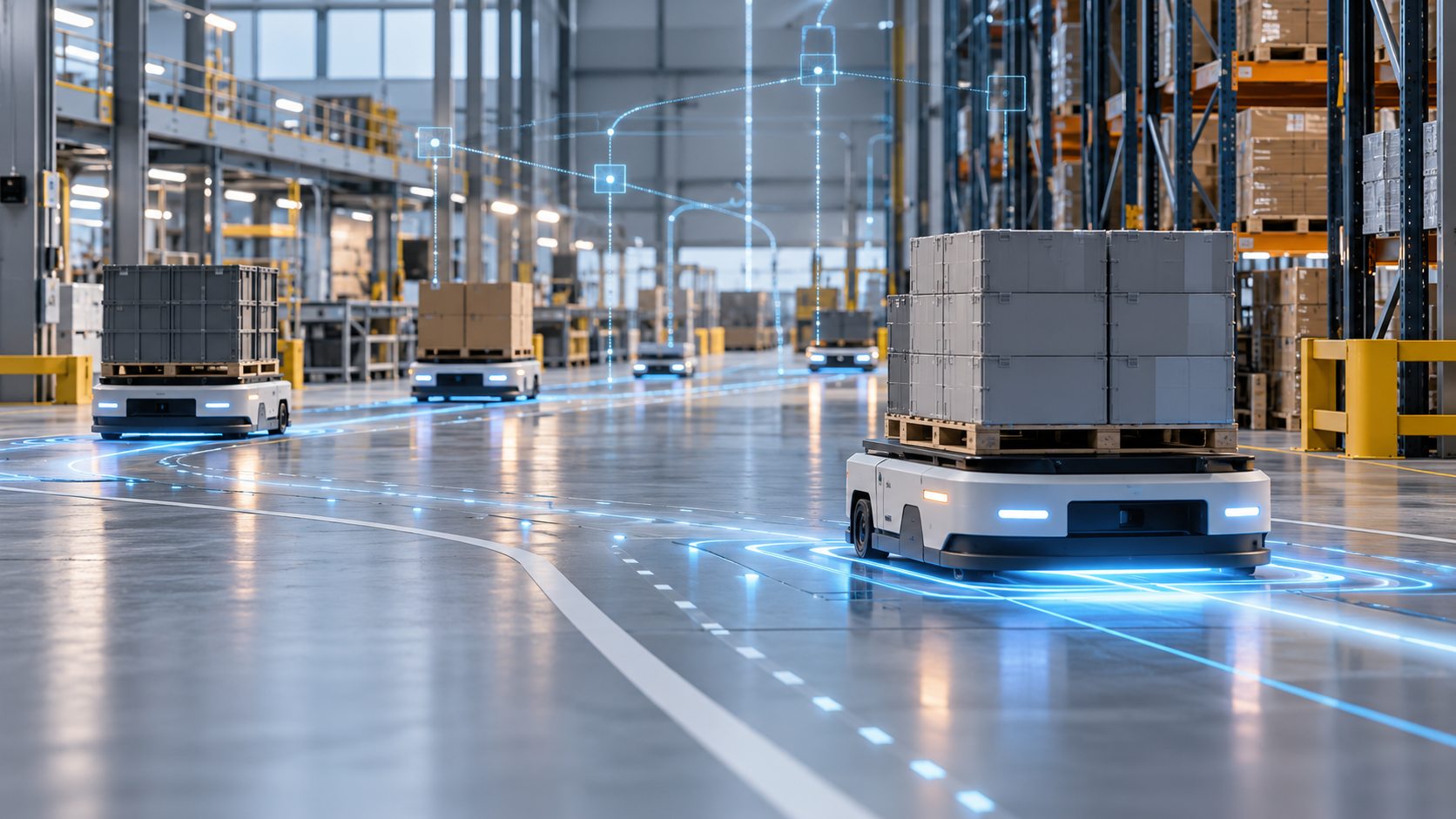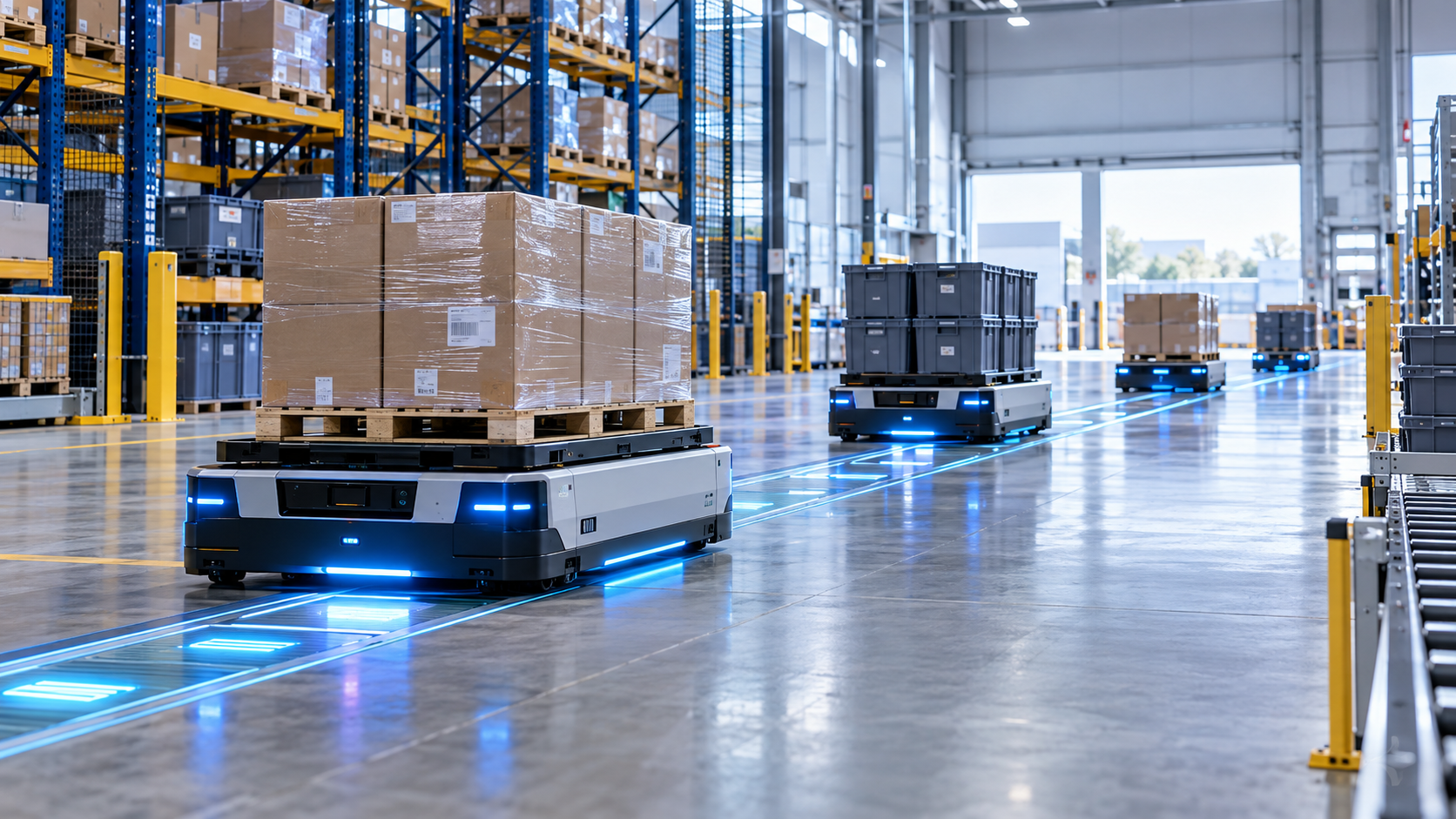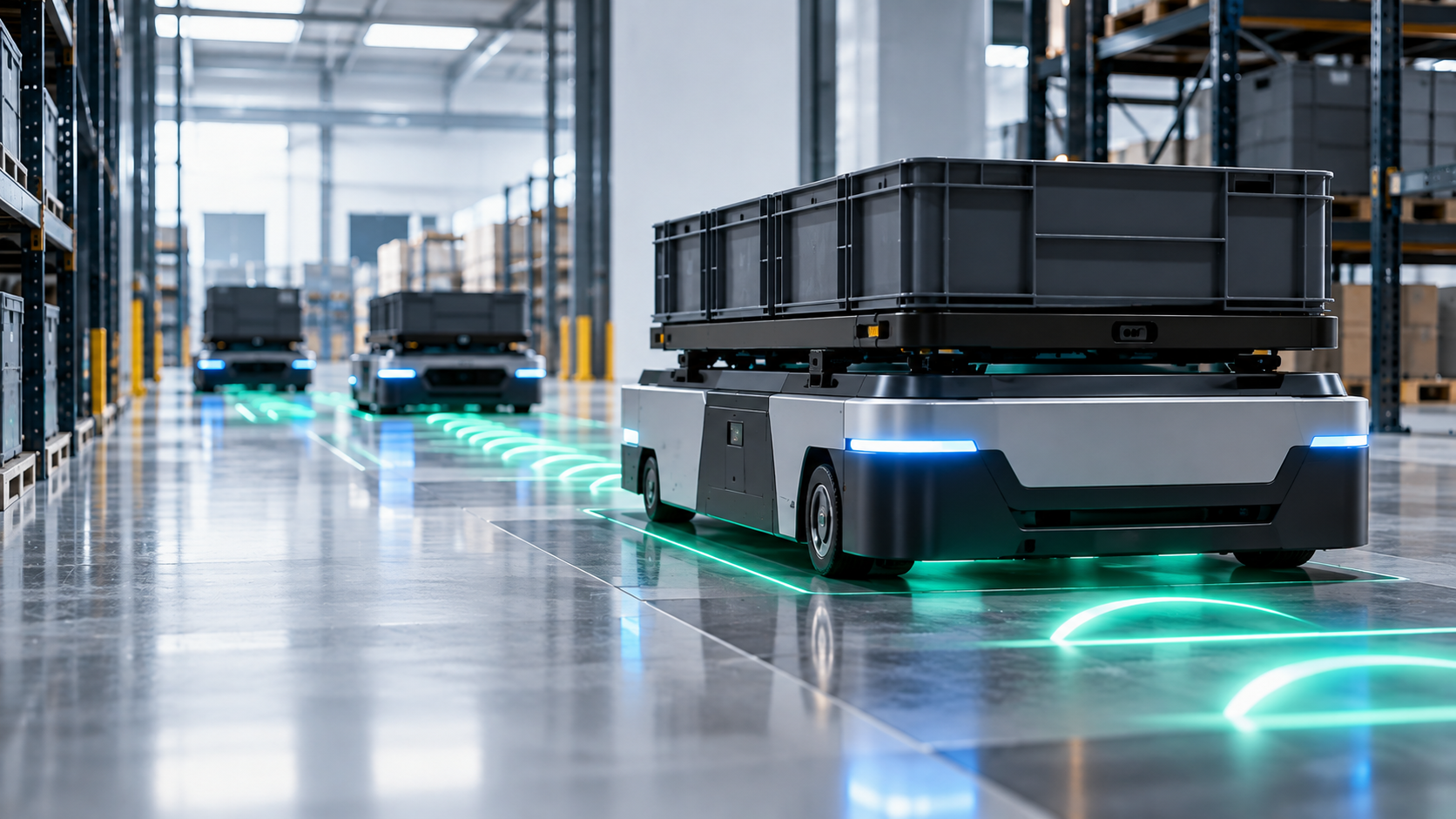

The robotics industry is starting to recognize a problem it can no longer optimize around.
Autonomous robots still stop working for energy.
As AMRs and AGVs scale across warehouses, manufacturing facilities, fulfillment centers, and autonomous industrial operations, charging downtime is becoming one of the biggest hidden constraints in automation.
That is the problem CaPow was built to solve.
And in 2026, the global robotics ecosystem began paying attention.

CaPow Awarded the European Commission’s “Seal of Excellence”
CaPow’s Genesis platform was awarded the European Commission’s “Seal of Excellence” under the Horizon Europe EIC Accelerator – one of the world’s most competitive deep-tech programs.
The recognition was granted following evaluation by an international panel of experts, who recognized Genesis as a high-quality, high-impact innovation shaping the future of automation infrastructure.
This matters because the robotics industry is entering a new phase.
For years, innovation focused on AI, orchestration software, fleet management, and robotic intelligence.
But as autonomous operations scale, uptime becomes infrastructure.
And energy continuity becomes a strategic operational requirement.
A Growing List of Global Robotics Recognitions
The European Commission recognition joins a series of major milestones for CaPow in 2026:
- Robotics Finalist (Top 3) at the 17th Innovation World Cup at Hannover Messe
- Selected among the Top 14 Techpreneurs at Hannover Messe 2026
- Startup World Cup – Top 10 Startup in Las Vegas 2026
- Startup World Cup – Top 10 Startup in Tel Aviv 2026
- Atlas Awards 2026 – Top 3 in Robotics
- Named by the 2026 RBR50 Robotics Innovation Awards as one of the organizations helping lead the global robotics ecosystem through new technologies, business models, and real-world use cases
Together, these recognitions point to something larger than startup traction.
They reflect a growing industry realization:
The future of robotics will not be defined by software alone.
It will also be defined by energy architecture.
Why Energy Infrastructure Is Becoming Critical for AMRs and AGVs
Today, many robotic fleets still rely on operational compromises:
- robots leaving workflows to charge
- extra robots purchased to compensate for downtime
- dedicated charging zones consuming expensive facility space
- workflow interruptions caused by battery limitations
As fleets scale, these inefficiencies become infrastructure problems.
CaPow’s Genesis platform approaches energy differently.
Instead of designing operations around charging stops, Genesis enables mobile robots to receive power naturally within operational flow.
The result is a new infrastructure layer for autonomous logistics and industrial automation:
continuous operational energy delivery designed for always-on robotic fleets.
The Next Phase of Physical AI Requires Continuity
The rise of Physical AI is accelerating across manufacturing, warehouse automation, fulfillment, and supply chain operations.
But intelligence alone is not enough.
Physical AI systems only create value when they operate continuously in the real world.
That requires a different energy model.
At CaPow, we believe the next generation of industrial automation infrastructure will not simply optimize robot behavior.
It will eliminate the operational limitations that prevent autonomy from scaling in the first place.
And increasingly, the global robotics ecosystem appears to agree.