Physical AI is moving autonomous robots from isolated deployments toward large-scale industrial operations.
But smarter robots alone will not make factories and warehouses fully autonomous.
To scale Physical AI, the infrastructure around the robots must scale too. That includes connectivity, compute, fleet orchestration and, critically, energy.
CaPow develops Power-in-Motion infrastructure for autonomous mobile robots (AMRs) and automated guided vehicles (AGVs), enabling robots to receive energy while moving along their normal operating routes instead of stopping to charge.
This changes energy from a charging task into part of the operating infrastructure.
What Is Power-in-Motion?
Power-in-Motion is an energy-delivery approach in which mobile robots receive power during normal operation.
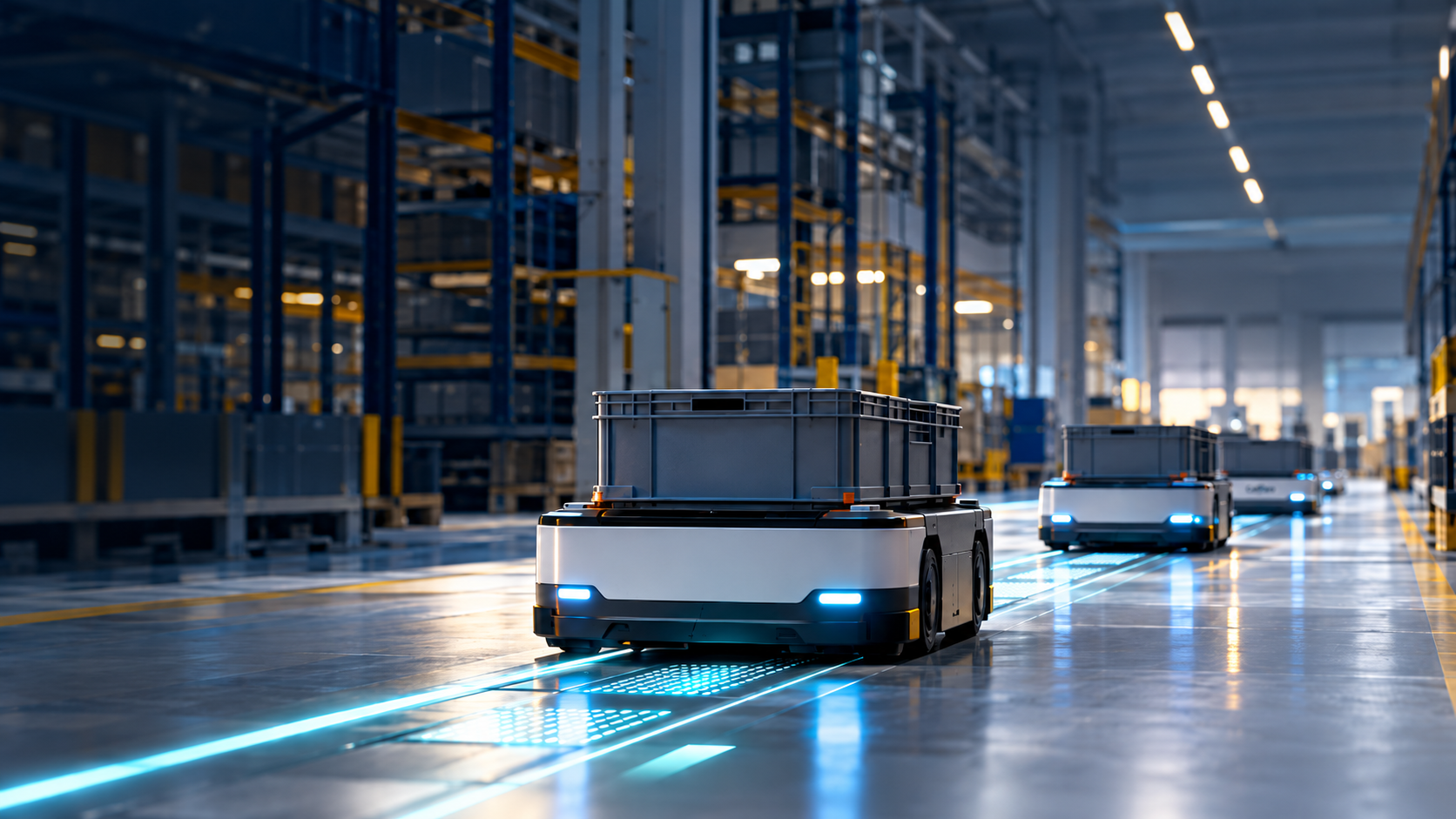
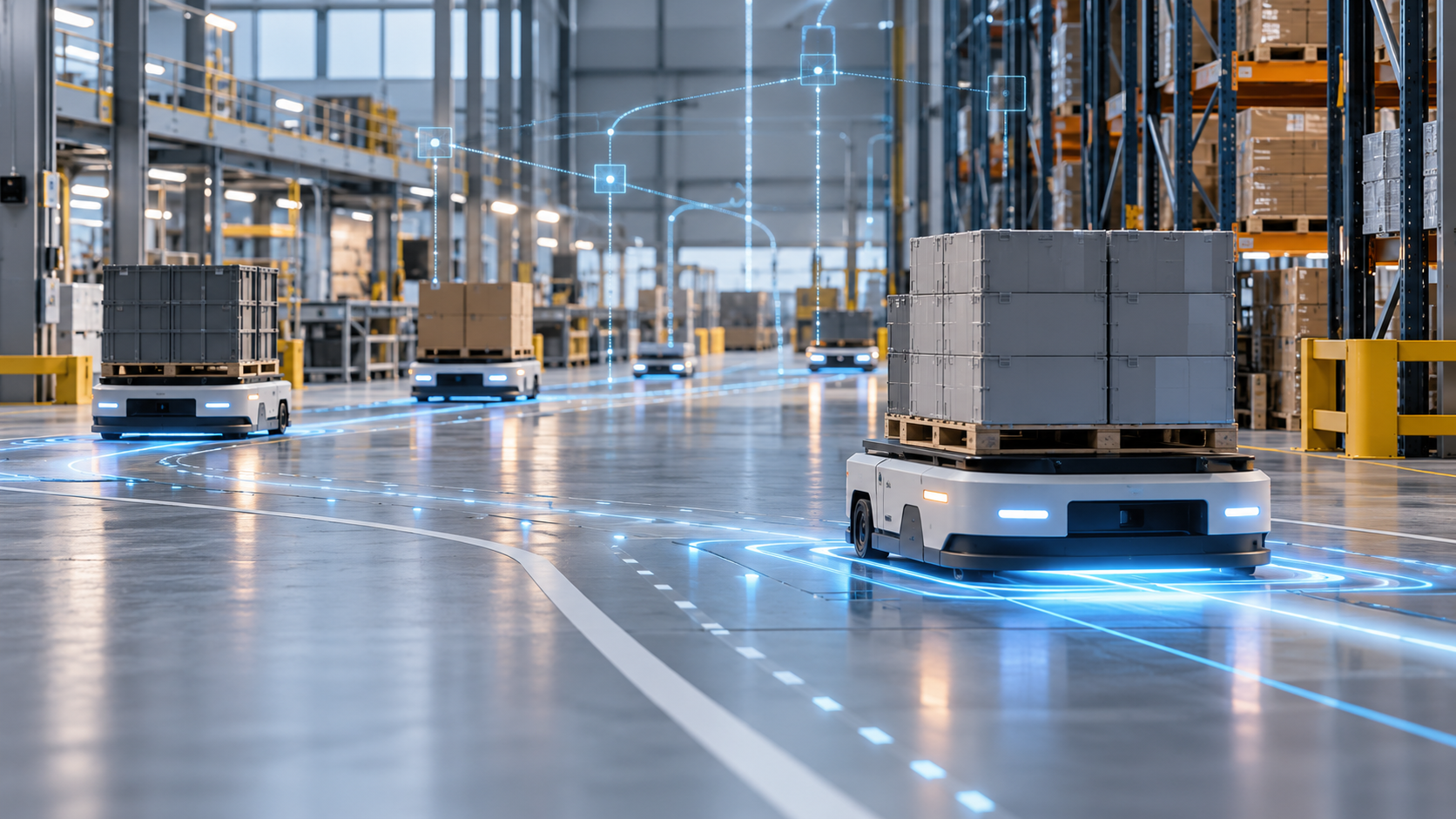
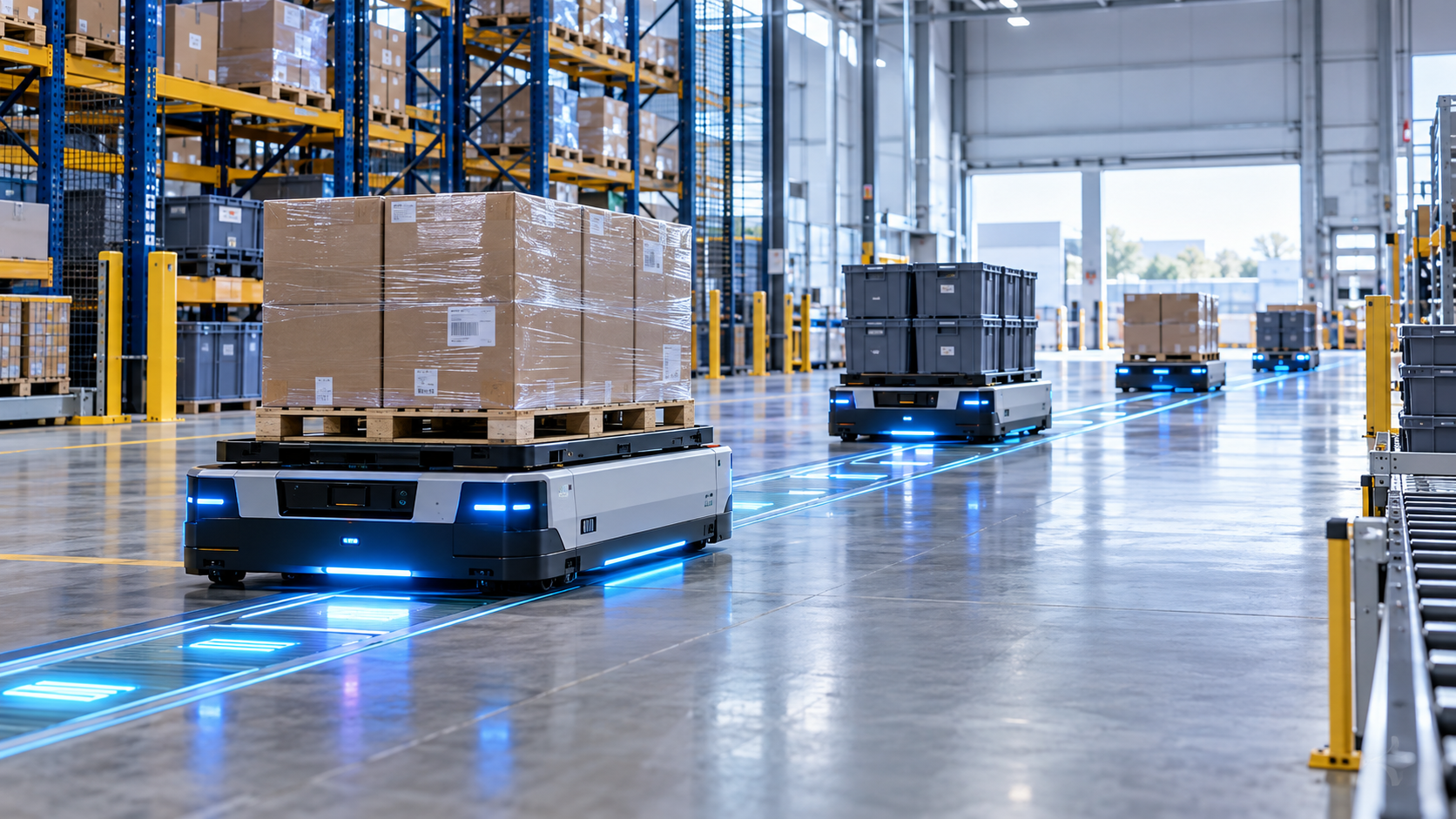
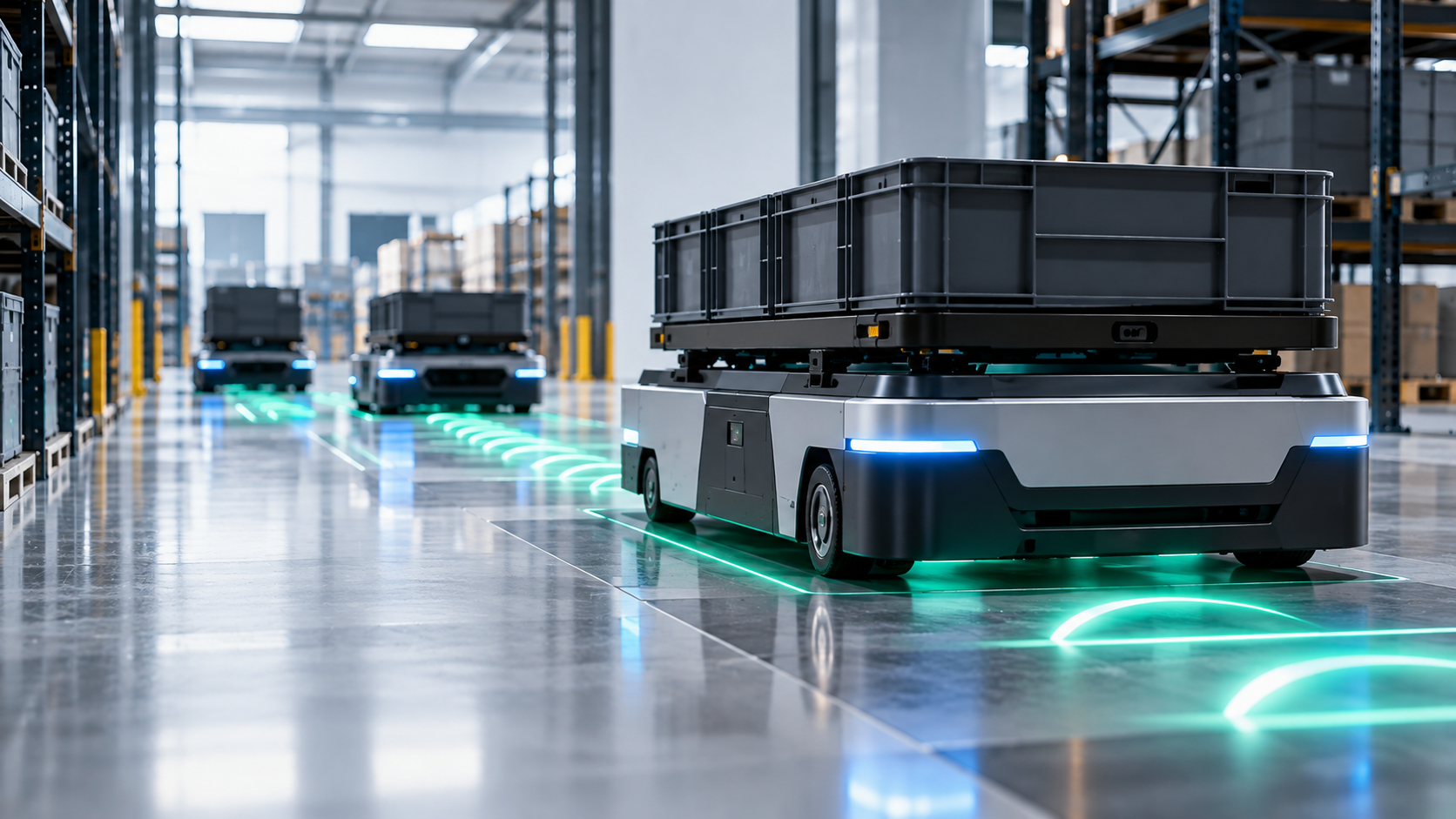
CaPow’s Genesis Power-in-Motion platform uses strategically positioned floor-mounted transmitters and robot-mounted receivers to deliver energy while AMRs and AGVs move or stop naturally along their existing routes.
Robots do not need to leave their workflow, travel to a charging station, dock or precisely align with a charger.
The goal is not faster charging.
The goal is to remove charging as a separate operational event.
Why Is Charging a Bottleneck for AMR and AGV Fleets?
Traditional AMR and AGV charging requires robots to interrupt productive work.
A robot may need to:
- leave its assigned route
- travel to a charging location
- wait for charging infrastructure
- remain stationary while receiving energy
- return to its productive workflow
Across a large robotic fleet, these interruptions reduce productive capacity.
Facilities may compensate by adding additional robots, batteries and charging stations to maintain required throughput.
That means the real cost of charging is not only electricity or battery capacity. It can also affect fleet size, floor space, traffic, capital expenditure and operational productivity.
How Does CaPow Eliminate AMR and AGV Charging Downtime?
CaPow integrates energy delivery into the routes where robots already operate.
Genesis places power-delivery zones at selected operational points based on robot routes and energy requirements. Robots equipped with CaPow receivers can receive energy while performing their normal missions.
Instead of asking:
Where should the robot go to charge?
operators can ask:
Where should energy be delivered so the robot does not need to stop working?
This is the core difference between Power-in-Motion and traditional AMR charging.
Power-in-Motion vs. Traditional Robot Charging
Traditional charging technologies focus primarily on improving the charging event.
Power-in-Motion is designed to remove that event from the operating cycle.
Static chargers require robots to stop.
Charging docks require robots to travel to a specific location.
Larger batteries can extend the time between charging events, but they do not eliminate them.
CaPow instead delivers energy within the robot’s existing workflow.
For large-scale
AMR and AGV operations, this can improve productive utilization, reduce charging-related fleet oversizing and help maintain throughput during peak operating periods.
Does Power-in-Motion Work in Real Industrial Operations?
CaPow has tested Power-in-Motion in industrial environments.
In a Hyundai Glovis proof of concept, the CaPow-enabled robot cluster remained active throughout the operation while the comparison fleet using traditional energy management experienced recurring charging interruptions.
According to the published CaPow case study,
eliminating charging downtime resulted in:
100% of the relevant robot fleet remaining active
and
a 15% increase in operational efficiency.
The significance is not simply that the robots received power differently.
The operation recovered productive capacity that would otherwise have been lost to charging.
Why Does Energy Matter More as Physical AI Scales?
Physical AI systems combine intelligence with machines that operate in the physical world.
Unlike purely digital AI, robots are constrained by physical requirements including movement, payload, compute, sensors, batteries and energy availability.
As robotic fleets become larger and more autonomous, those constraints become infrastructure problems.
A facility operating hundreds of autonomous robots cannot optimize only the intelligence layer.
It must also design for:
- continuous energy availability
- sustained fleet throughput
- efficient use of floor space
- predictable robot availability
- scalable infrastructure
- visibility into energy consumption and delivery
Energy therefore becomes part of the architecture of Physical AI.
What Is GEMS?
GEMS, the Genesis Energy Management System, is CaPow’s software layer for monitoring and managing Power-in-Motion infrastructure.
GEMS provides fleet-level visibility into:
- energy delivery
- robot energy consumption
- system performance
- energy coverage
- abnormal energy behavior
- changing energy demand
- infrastructure requirements as fleets expand
This allows operators to treat energy as measurable operational infrastructure rather than an invisible constraint.
Why Fleet Uptime Is Not the Same as Fleet Productivity
A robot can technically be operational while still creating no productive value.
It may be charging, waiting, traveling to a charger or returning from one.
For this reason, robotic operations should measure more than basic availability.
Relevant metrics include:
- productive utilization
- missions completed
- throughput per robot
- charging-related idle time
- work-to-charge ratio
- peak-period fleet availability
- cost per completed mission
The objective is not simply to keep robots online.
The objective is to maximize productive output from the robotic fleet.
What Infrastructure Will Physical AI Need?
The next generation of industrial robotics will require several infrastructure layers to work together:
AI and intelligence to perceive, plan and make decisions.
Connectivity to communicate across systems and facilities.
Compute to process increasingly complex robotic workloads.
Orchestration to coordinate fleets and missions.
Energy infrastructure to keep physical machines productive.
If the energy layer cannot scale, intelligence alone cannot deliver continuous industrial productivity.
CaPow’s Role in the Physical AI Infrastructure Stack
CaPow is building the energy infrastructure layer for
autonomous mobile robotics.
Genesis Power-in-Motion allows AMRs and AGVs to receive energy during productive operation, while GEMS provides visibility and control over the energy environment supporting the fleet.
The result is a different operating model.
Energy follows the workflow instead of forcing the workflow to stop for energy.
As Physical AI expands from individual robots to large autonomous fleets, this distinction becomes increasingly important.
The future of robotics is not simply about making robots smarter. It is about building infrastructure that allows intelligent machines to operate continuously at industrial scale.
That is the infrastructure CaPow is building.