 Booth A901 -
The last decade of robotics innovation has focused heavily on navigation, autonomy, perception, and safety. But as fleets of mobile robots transition from pilot projects to large-scale, business-critical operations, a new challenge has surfaced at the center of operational performance: energy.
Energy defines how long a robot works, how far it travels, how efficiently tasks run, and how predictable a process can be. And yet, until recently, energy systems were often treated as an accessory – something handled by a charger, a battery, or a predefined schedule. As automation volume grows, that mindset is shifting quickly. Operators, OEMs, and integrators are beginning to treat energy as an operational resource that must be available continuously, intelligently, and without friction.
Here are the five most significant mobile robot energy trends for 2025, and how the industry is preparing for them.

1. Uptime becomes the defining performance metric
For years, mobile robot performance was measured through specifications: payload, navigation accuracy, speed, path optimization, and safety. In 2025, a more operationally grounded metric is rising above all others: uptime.
Uptime reflects the percentage of time a robot is performing work rather than waiting, charging, idle, or offline. As automation becomes mission-critical, interruptions have a cascading effect. When multiple robots pause even briefly, conveyors slow, picking stations back up, and throughput becomes unpredictable.
Energy is one of the biggest contributors to downtime. Traditional charge cycles require planned or unplanned stops, navigation detours, and manual handling. As fleets scale, these interruptions compound.
The shift now underway is clear: operators want continuous operation, not cycle-based operation. Energy must flow in a way that supports the robot’s work pattern rather than interrupting it.
This trend is pushing companies to rethink not only how robots get energy, but how they plan workflows, orchestrate fleets, and measure performance. The industry is entering a phase where uptime – and the energy systems behind it – will determine the real ROI of automation investments.

2. Energy delivery shifts from episodic to dynamic
In traditional setups, robots charge episodically: they travel to a station, stop, and wait. That model worked when fleets were smaller, tasks were slower, and operational tempo was lower.
But as automation grows, travel-to-charge behavior introduces inefficiency. It consumes time, interrupts flow, reduces predictability, and forces layout decisions that center around charging rather than productivity.
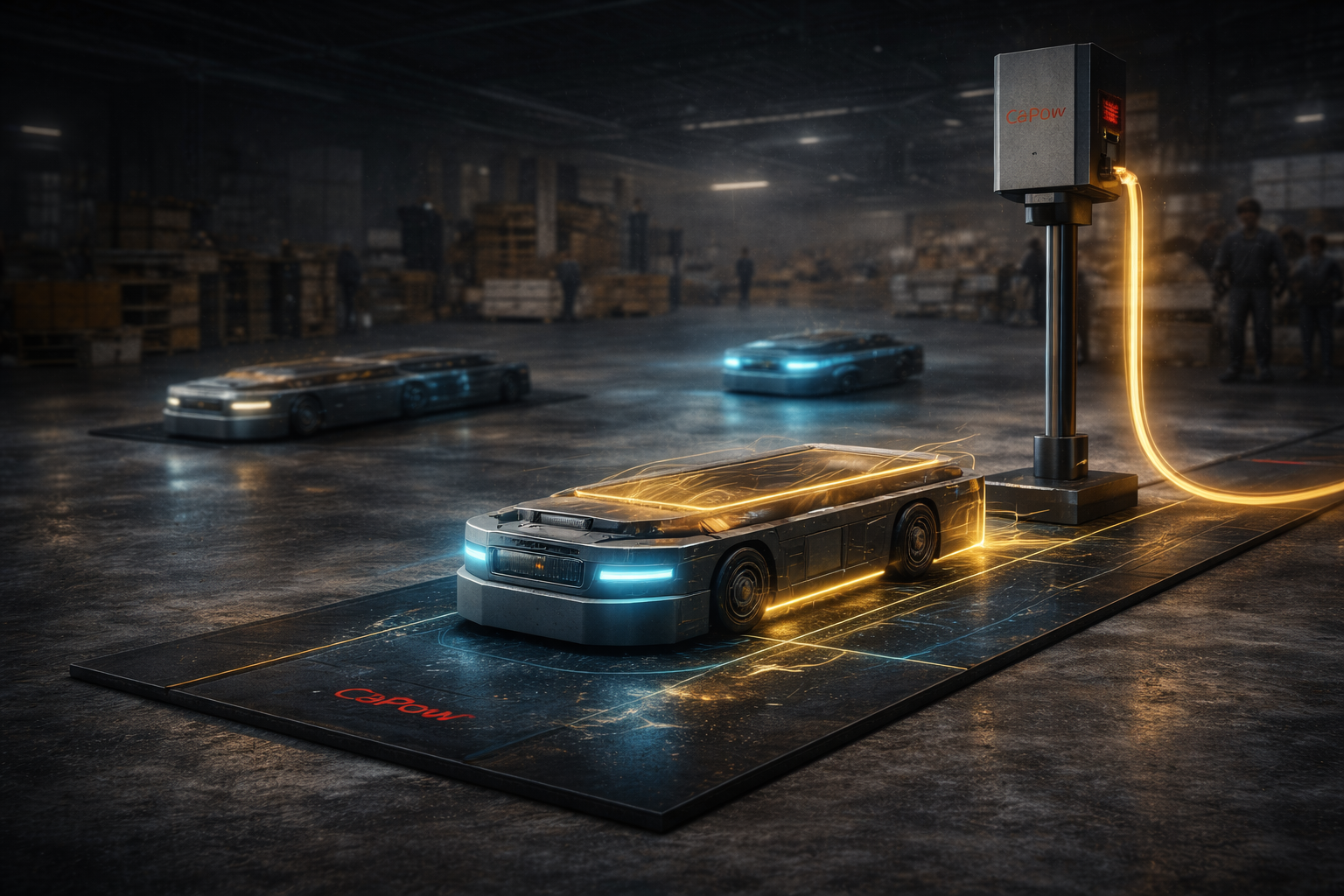
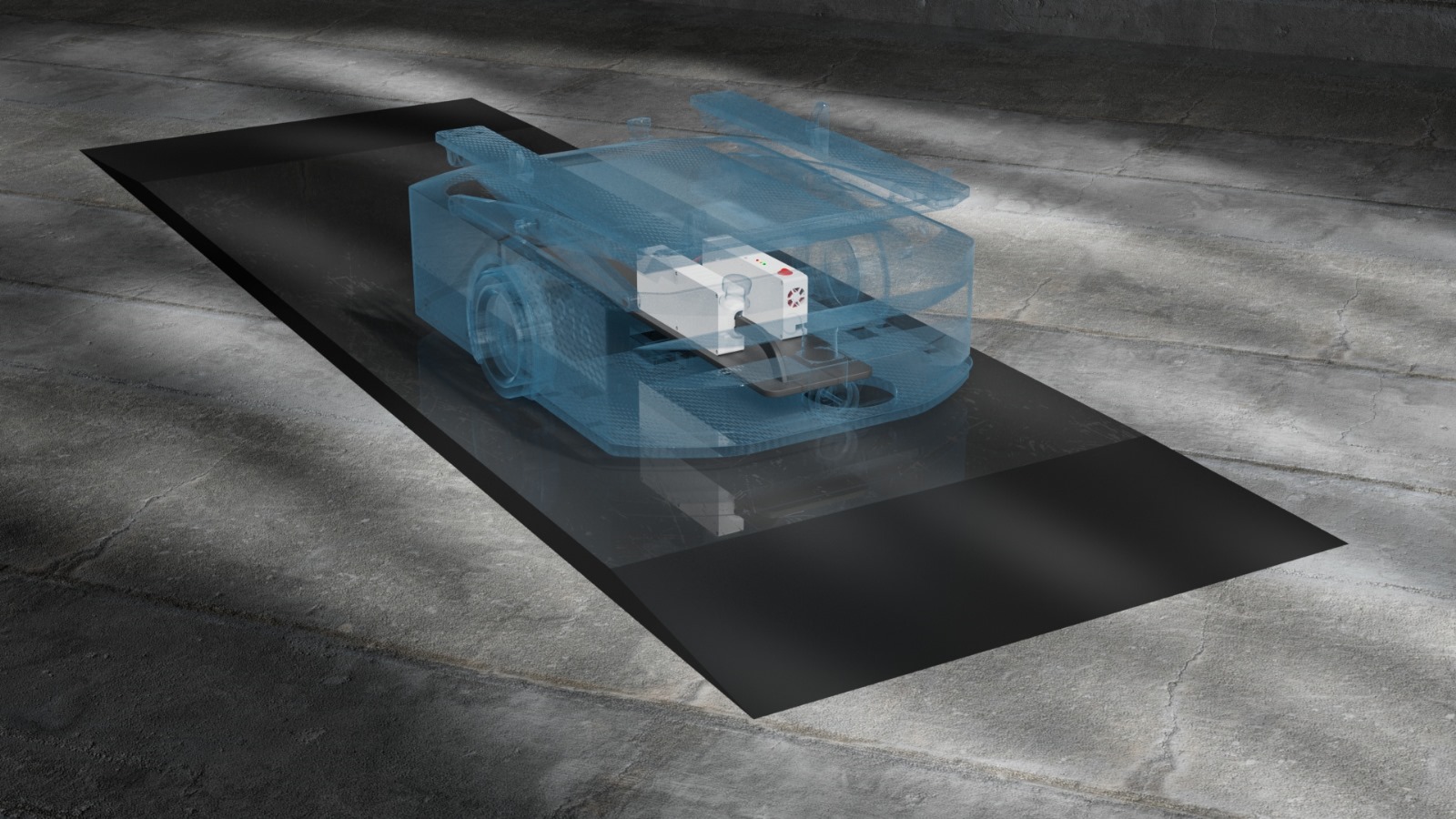
The industry is now moving toward dynamic “in-motion” energy delivery – systems designed to supply power as the robot moves or at ultra-short intervals that do not require disruption. Instead of planning around charge points, operators plan around work. Instead of designing energy detours, they design energy availability.
This trend is reshaping expectations for both OEMs and end users:
- robots should not need long charging stops
- operational flow should remain uninterrupted
- energy should integrate into the environment rather than redirecting the robot
Dynamic power delivery is emerging as a foundational component of high-throughput automated facilities, especially in warehouses, manufacturing plants, fulfillment centers, and large logistics networks.
3. Retrofits become a strategic priority for large fleets
The installed base of mobile robots worldwide is growing quickly, but many fleets already in operation were built around older charging architectures. Replacing hundreds or thousands of robots is neither economical nor operationally feasible. Operators are looking for solutions that upgrade existing robots to meet modern performance standards.
This makes retrofits one of the clearest trends for 2025. Rather than waiting for next-generation hardware, companies want ways to enhance:
- uptime
- energy efficiency
- predictability
- operational continuity
without replacing an entire fleet.
Retrofit-friendly technology helps operators increase productivity without expanding fleet size, redesigning layouts, or overhauling infrastructure. It also allows OEMs to offer extended value to existing customers, strengthening long-term relationships.
The industry is recognizing that the most scalable path forward is not always more robots – it’s upgrading the robots already working.
4. Energy visibility and analytics become core operational tools
As fleets scale, operators need deeper insight into energy usage – not simply battery levels, but the operational implications of energy flow. This is driving a new emphasis on energy analytics as part of fleet orchestration platforms.
Teams want to understand:
- how power availability impacts throughput
- where energy-related delays originate
- whether detours or idling are tied to energy management
- how energy usage correlates with task cycles or congestion
- when anomalies suggest an upcoming fault
This trend is not about creating dashboards for the sake of dashboards. It’s about connecting energy behavior with operational decision-making. When a robot slows or stops, teams want to know why – immediately and accurately.
This shift also affects organizational ownership. Energy data increasingly intersects with automation engineering, IT, operations, and maintenance. The industry is moving toward a “control-tower” model where energy visibility becomes as essential as tracking robot location or task queue status.
5. Cost per task becomes tightly linked to energy performance
As automation scales, cost models are evolving. The industry is recognizing that energy performance directly impacts the cost of every task a robot completes. Every pause, detour, or wait time increases the operational cost of moving goods.
Cost per task – a metric used throughout logistics and manufacturing – is influenced by:
- energy-related downtime
- energy usage efficiency
- the number of robots required to meet throughput
- the predictability of operation
- the balance between peak demand and available energy
When robots wait for energy, operators often compensate by purchasing more units than they actually need. Improving energy availability and reducing downtime can decrease the required fleet size while increasing throughput.
This trend aligns energy management with financial planning, turning it into a driver of both efficiency and cost reduction.
Conclusion
2025 marks a turning point in mobile robot evolution. Navigation, autonomy, and AI remain crucial – but the spotlight is shifting toward the energy systems that determine how consistently robots can perform their work.
The industry is moving rapidly from:
- static to dynamic energy delivery
- episodic charging to continuous availability
- robot-first thinking to operation-first thinking
- hardware scaling to performance scaling
Energy is no longer background infrastructure. It is becoming a strategic tool, a performance accelerator, and a major determinant of ROI.
Companies that embrace these trends will gain continuous throughput, fewer operational bottlenecks, and robot fleets that function like fully integrated, always-on systems.