Executive insight
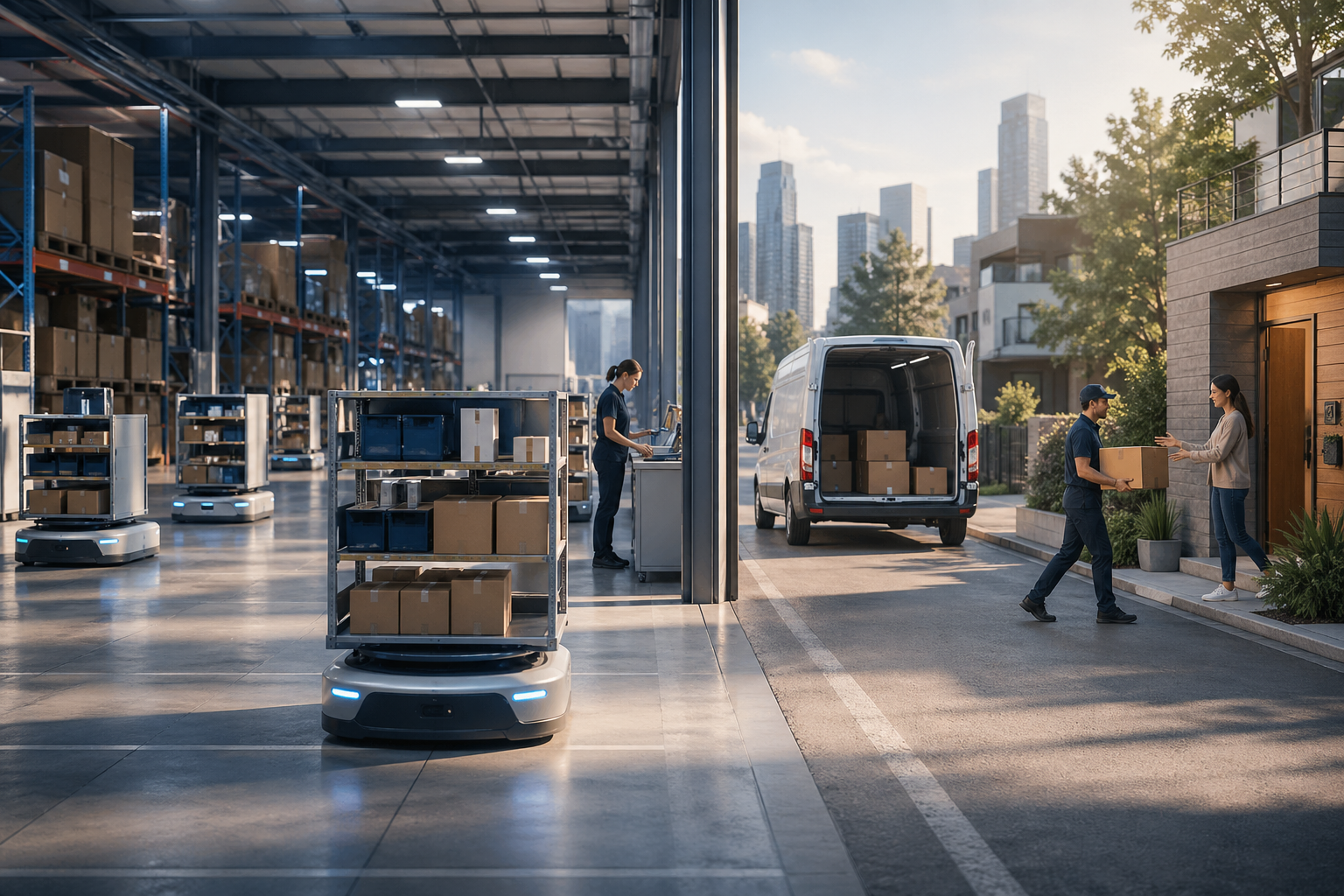
Last-mile delivery is where performance is measured.
But it’s not where performance is created.
Across e-commerce and logistics, teams are investing heavily in carriers, routing software, and tracking. Yet the same issues persist: missed SLAs, inconsistent delivery windows, and rising operational costs.
The reason is simple.
Reliability doesn’t break on the road. It breaks inside the warehouse.
The industry shift: from speed to reliability
For years, last-mile delivery was optimized for speed. Faster shipping became the default competitive lever.
In 2026, the priority has changed.
- Customers prefer predictable delivery over faster delivery
- Operations teams prioritize SLA adherence over peak speed
- Brands optimize for consistency, not best-case performance
This shift exposes a deeper problem.
You cannot deliver reliably if your operation is not stable.
Why last-mile optimization alone isn’t enough
Most companies try to fix delivery performance by improving:
- Carrier selection
- Route optimization
- Real-time tracking
These matter. But they operate downstream.
If orders are not ready on time, no carrier can compensate.
That makes
order readiness the real KPI behind delivery reliability.
Where order readiness breaks
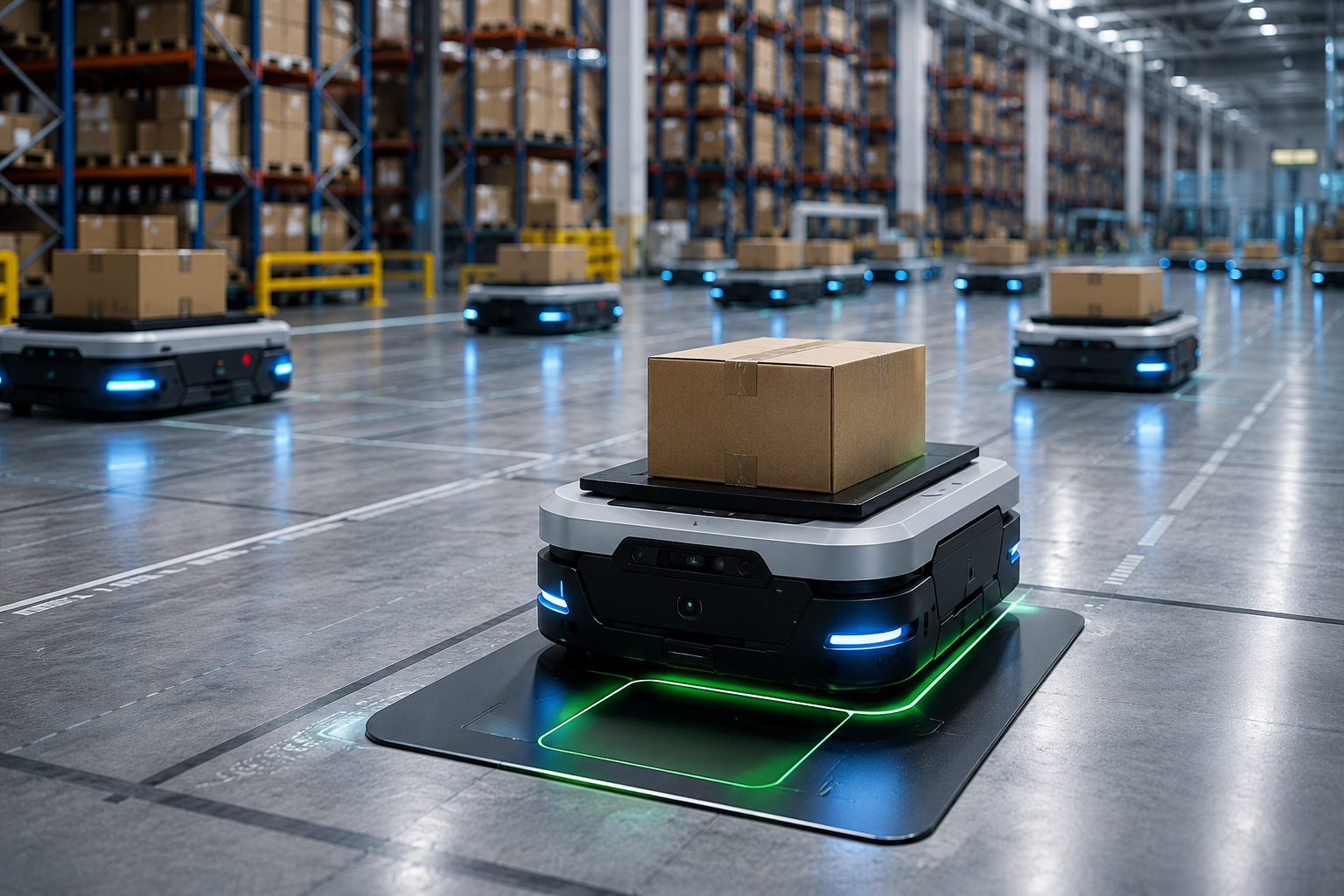
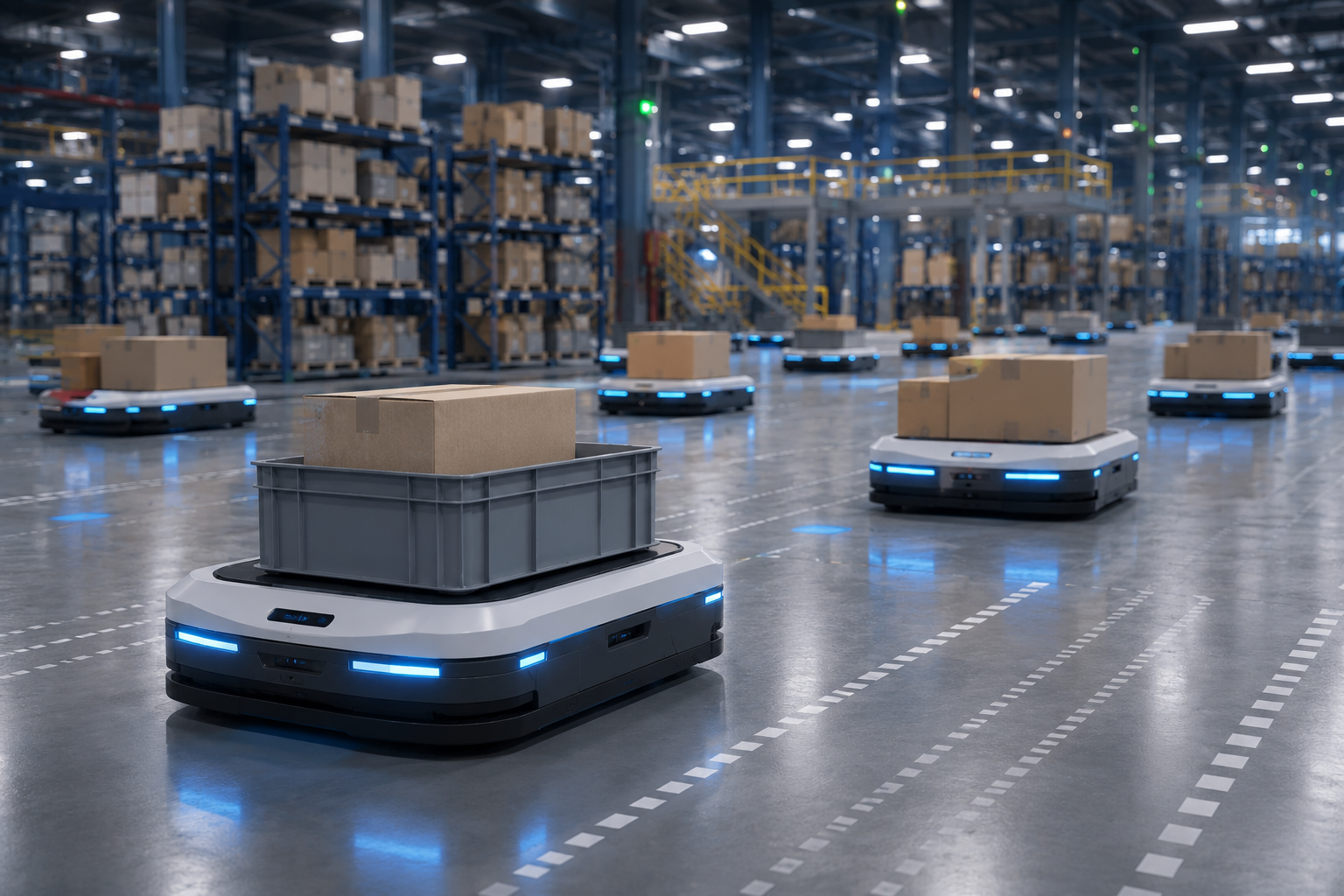
Modern fulfillment centers rely on
goods-to-person systems powered by mobile robots.
Solutions from companies like Geek+ have transformed how orders are picked:
- Robots bring inventory to operators
- Picking speed increases
- Labor movement decreases
On paper, this should create perfectly stable throughput.
In reality, it doesn’t.
Because
robots don’t operate continuously.
They stop to charge.
The hidden constraint: energy
Every
mobile robot fleet shares the same limitation:
- Robots cycle in and out of operation
- Charging creates gaps in availability
- Peak demand amplifies these gaps
This leads to:
- Fluctuating throughput
- Congestion during high volume
- Delays in order staging
From a system perspective, this is not a robotics issue.
It’s an energy architecture issue.
Why this matters for last-mile delivery
Last-mile delivery depends on one thing above all:
Consistent flow of ready orders.
When fulfillment output is unstable:
- Carriers receive unpredictable volumes
- Planning becomes reactive
- SLA performance drops
- Costs increase
This is why many “last-mile problems” are actually upstream problems.
A different approach: energy as infrastructure
This is where CaPow introduces a structural shift.
Instead of treating energy as a periodic event (charging),
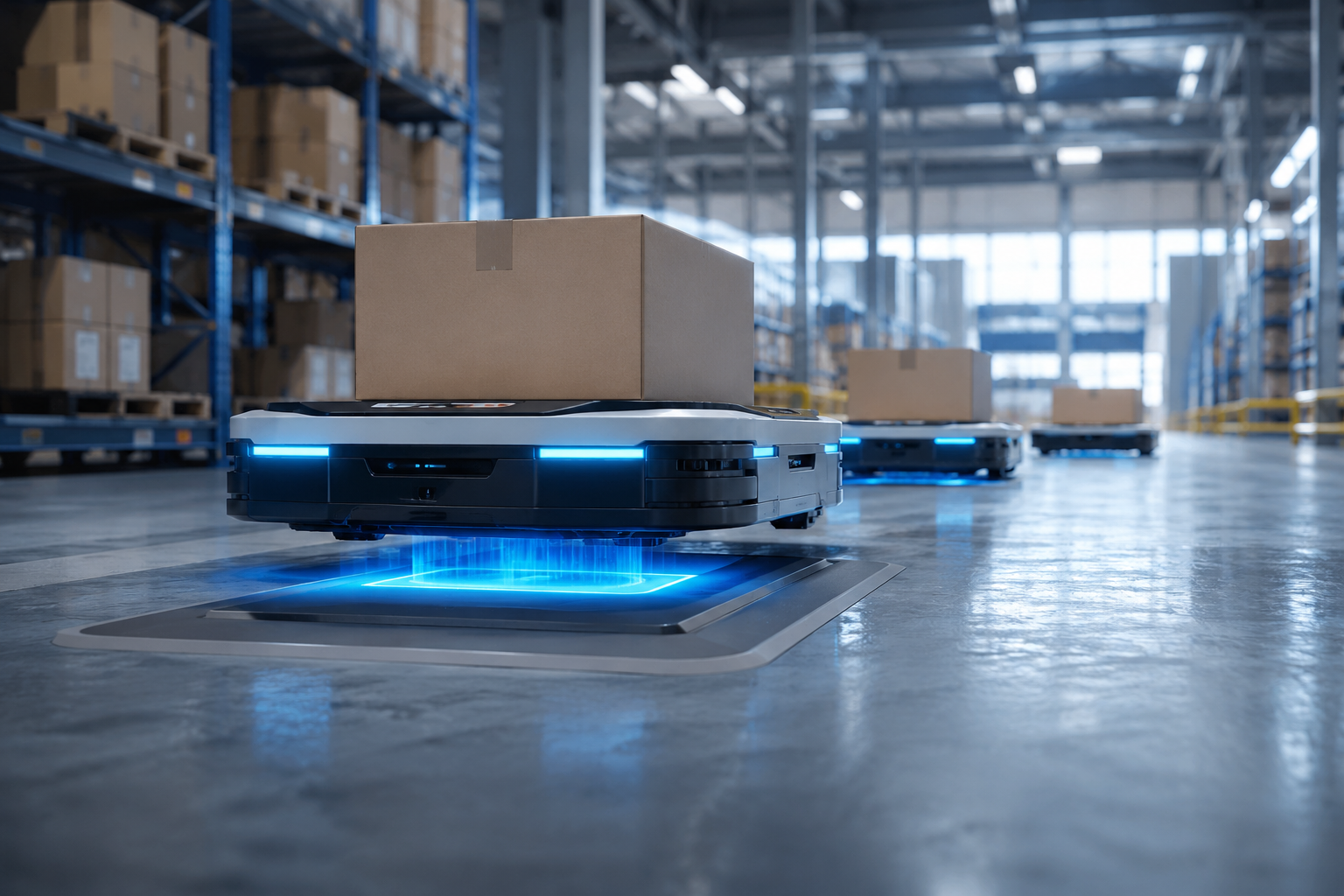
CaPow enables continuous power delivery to mobile robots.
Robots receive power while operating.
- No charging stops
- No downtime cycles
- No hidden variability in throughput
This transforms energy from a constraint into an operational layer.
What changes when robots don’t stop
When energy becomes continuous:
- Robot fleets maintain full availability
- Throughput becomes predictable under load
- Peak demand is absorbed without disruption
- Order readiness stabilizes
The impact is not incremental.
It changes how the entire system behaves.
From automation to control
Most fulfillment operations today are automated.
Few are controlled.
Control means:
- predictable throughput
- stable output under variability
- consistent alignment with downstream delivery
That level of control requires removing hidden constraints.
Energy is one of the most critical.
What e-commerce leaders should evaluate now
If delivery reliability is a priority, the focus should shift upstream.
Key questions to ask:
- Is our robot fleet truly operating continuously?
- How much throughput variability is caused by charging cycles?
- Can our system handle peak demand without internal disruption?
- Are we compensating with more robots instead of fixing the constraint?
These questions define whether last-mile performance is sustainable.
Conclusion
Last-mile delivery is not a carrier problem.
It is a system problem.
The companies that will lead in e-commerce logistics are not the ones that move faster.
They are the ones that operate with stability.
As
automation scales, reliability will be determined by factors most teams don’t yet measure.
Energy is one of them.
And increasingly, it is becoming the difference between systems that perform — and systems that struggle to keep up.
FAQ